What it is
The other Camino — the quiet one.
The Vía de la Plata is the historic route that runs from Seville, in the south, all the way north to Santiago de Compostela. It follows a Roman road — the name comes from plata, silver, though the origin is older and stranger than the metal — and it crosses Zamora province and Zamora city itself on its way through Castile.
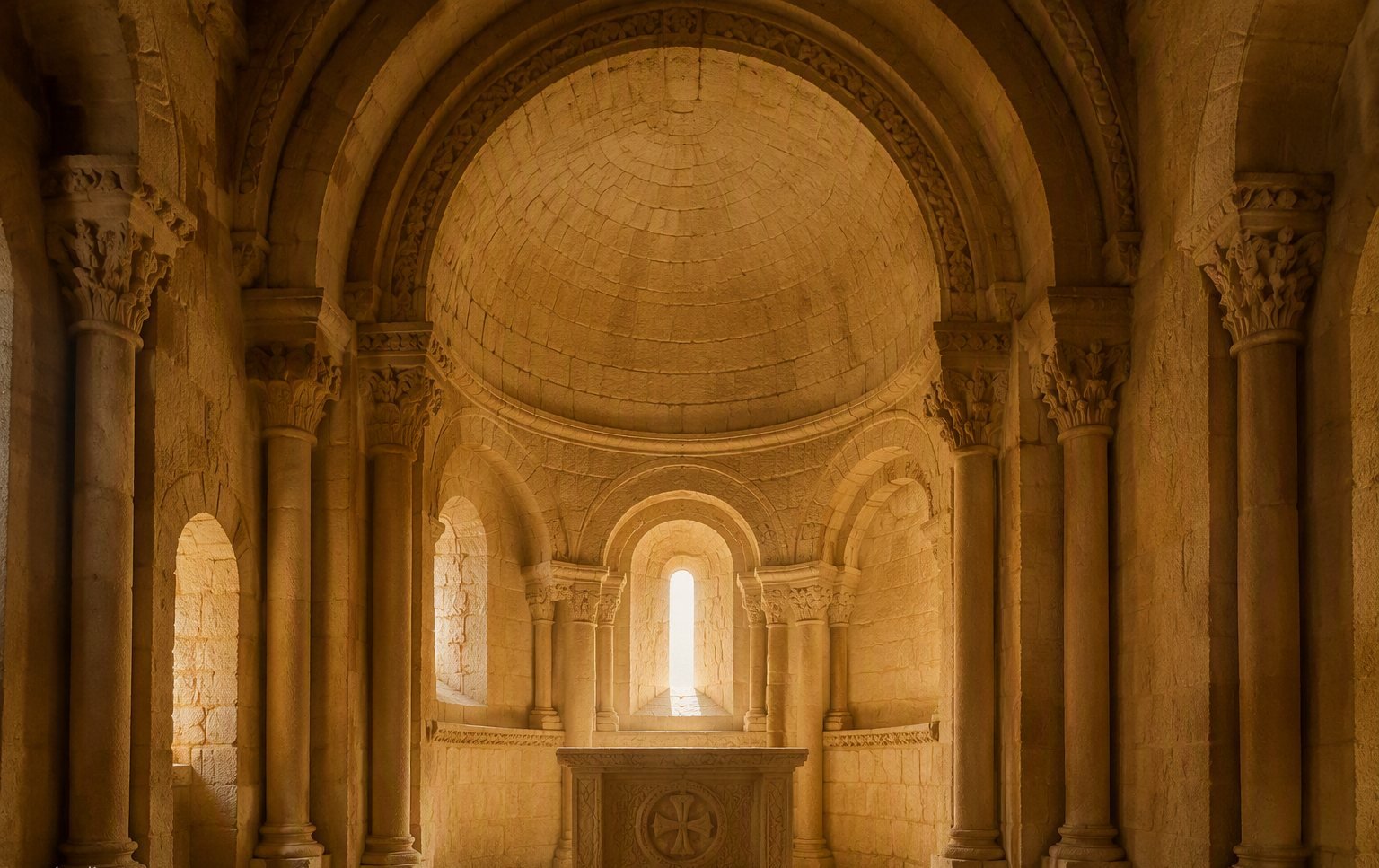
It is not the famous Camino Francés, and that is precisely its character. The walkers you will meet here chose the long, dry, beautiful southern road. They tend to be experienced, unhurried and quietly delighted to find a Romanesque city — 24 medieval churches in one old town — waiting for them at the end of a stage.
The numbers — and what they tell you
In 2024, 9,028 pilgrims were recorded on the Vía de la Plata; in 2025, 8,836. Small numbers next to the great Camino routes — and that is the appeal. You share the road with dozens, not thousands.
And here is the statistic this whole site is built on: eight out of ten pilgrims return as tourists. People walk through Zamora once with a backpack, and then they come back with a suitcase, a partner, a reservation at a good restaurant. The route is not just a path; it is the most effective advertisement the province has ever had.
Eight out of ten pilgrims come back. Walk one stage and you will understand why.
What the English-speaking pilgrim finds in Zamora
If you arrive on foot, Zamora works the way a stage city should:
- The credential and the stamps. Your pilgrim's credential is stamped along the way — at pilgrim hostels, at churches and at the tourist office. Zamora is a good place to collect yours and to ask about the stages ahead.
- The cathedral as a landmark. You will see the Byzantine dome of the cathedral — the cimborrio — long before you reach the city. Pilgrims have used it as their compass for centuries. It still works.
- A pilgrim hostel. The city has an albergue de peregrinos, and the usual network of pilgrim services around it. Ask at the tourist office or at the hostel itself for the practicalities; they change season to season.
- A real bed and a real dinner, if you want one. This is a living city, not a village: hotels, tapas bars from ~€1 a tapa, and a €1.10 pincho moruno that has restored many a pair of tired legs.
One honest note: little English is spoken on the ground. Learn five phrases before you arrive — we list them in our trip-planning guide — and you will be treated like family.
If you are not a pilgrim: why the Vía de la Plata still matters to you
Even if you never walk a single kilometre, the route improves your trip. It is the reason Zamora has a network of hostels and pilgrim services, clear waymarking in and out of the city, and a gentle international atmosphere you would not expect in a city of this size: walkers from Germany, Korea, Canada, quietly comparing blisters over a glass of Toro red. The Camino keeps the city outward-looking.
And it gives you one of the best half-day excursions from Zamora — see below.
Walking one stage without being a pilgrim
You do not need a credential, a scallop shell or a month of free time. The route is waymarked, so you can simply follow the arrows out of town:
- Pick your distance. A typical stage is 20–25 km, five to seven hours of walking. But nothing stops you walking two hours out and two hours back along the same waymarks.
- Start early. Castilian light is best in the morning, and so is the temperature. Pilgrims walk at dawn for a reason.
- Treat it as a hike, not a pilgrimage. Nobody checks your motives on the Camino. Carry water, wear real shoes, and be respectful when you pass through anywhere religious — you are a guest on a thousand-year-old road.
It is the most honest way to feel what the route does to people — without committing to the full Seville-to-Santiago distance.
Plan it
| The route | Seville → Santiago, crossing Zamora city |
| Pilgrims in 2024 / 2025 | 9,028 / 8,836 |
| Typical stage | ~20–25 km (5–7 h walking) |
| Credential | stamped at hostels, churches, tourist office |
| Day-hike option | follow the waymarks out of town; turn back when you like |
| Best season | spring and autumn; summer is hot on the plain |
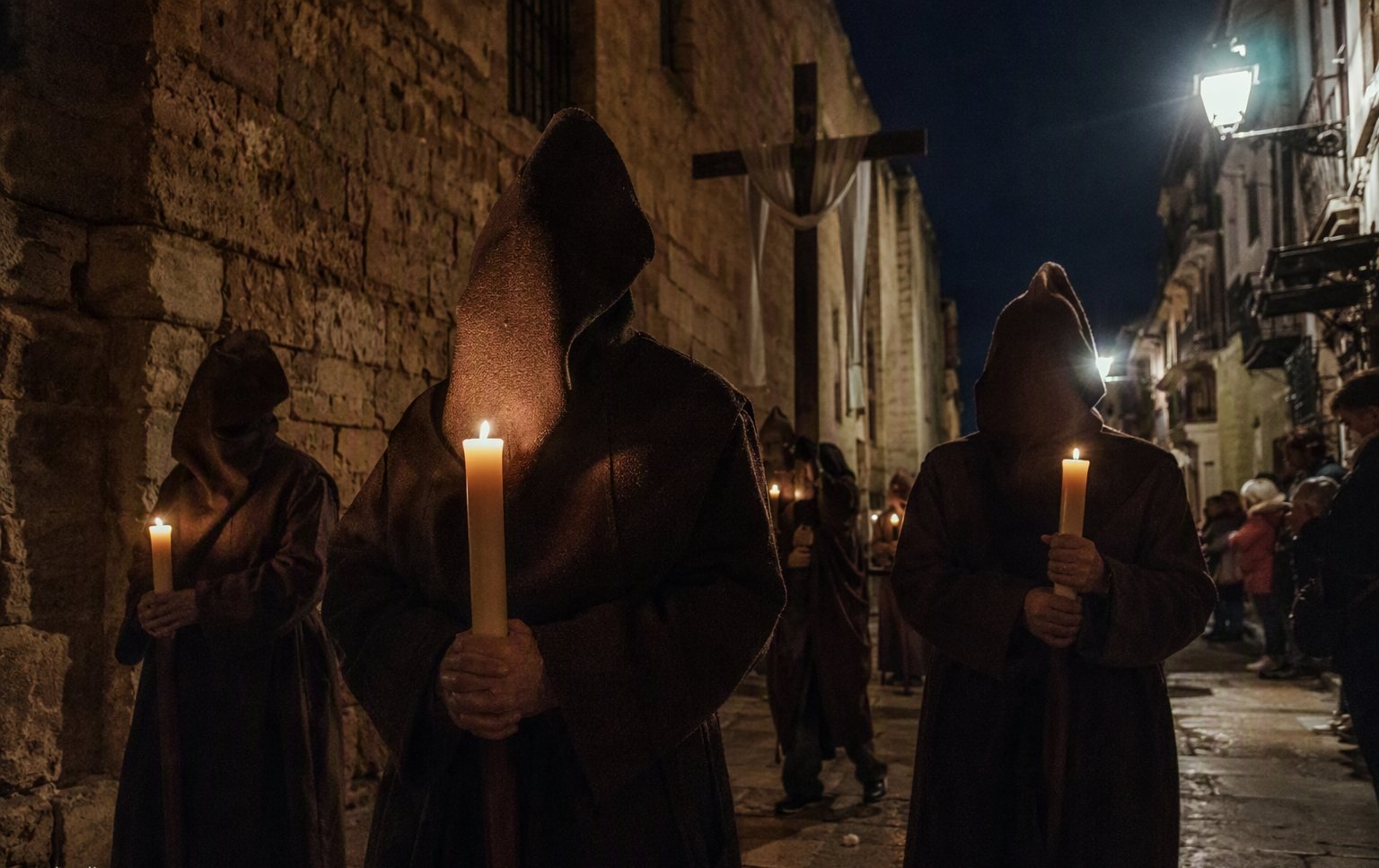
Pilgrim or not, the same rule applies: the Camino is a living religious tradition as well as a hiking trail. In churches, silence and covered shoulders; on the road, a "buen camino" costs nothing and opens every door.