Here's the summary you can screenshot: in the city, walk. To the province, drive. Between the two, taxis. Everything else on this page is the detail that makes those three rules work.
The old town: 100% walkable
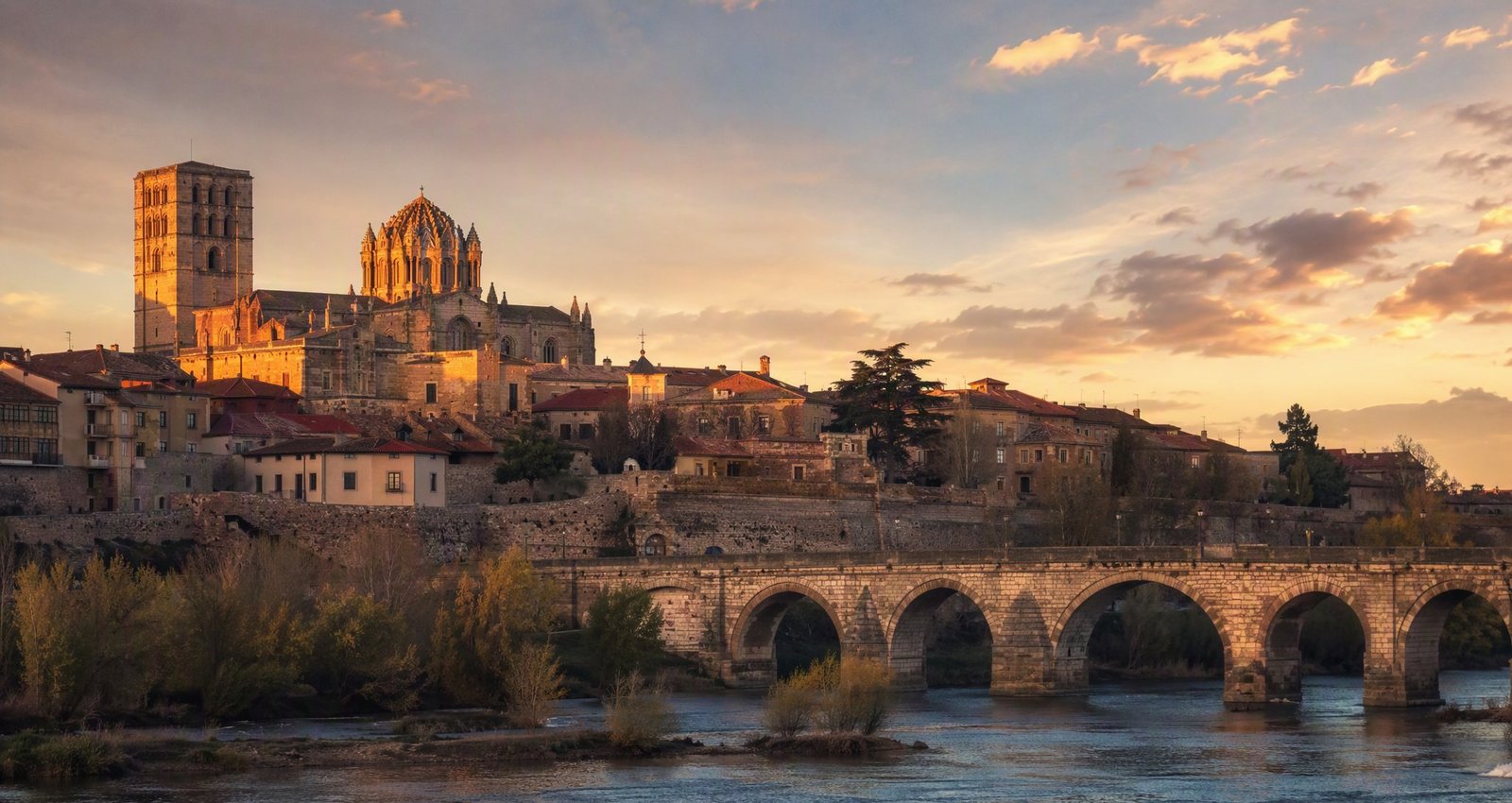
Zamora's monumental heart is compact even by Spanish standards. Cathedral to castle: a few gentle minutes. Castle to the stone bridge: a short stroll downhill. Romanesque churches, tapas streets, your hotel — everything sits within about 20 minutes on foot, most of it within ten. There are cobbles (bring proper shoes) and a mild slope between the river and the upper town, but no climbs, no stairs you can't avoid, and benches and café terraces wherever legs need a pause. Walking here isn't a compromise; it's the whole point — the city reveals itself at strolling speed.
From the station: a 15-minute walk
The high-speed train from Madrid (from 1 h 03 min — the full arrival guide →) drops you at a station about 15 minutes' walk from the centre. It's an easy roll with a suitcase in decent weather. If you're laden or it's raining, taxis wait at the rank outside and the ride into town is short and cheap. Either way, there's no shuttle bus to decode and no airport-style logistics — you arrive, and fifteen minutes later you're having a coffee under medieval arches.
Taxis and the honest word about apps
Zamora's taxis are licensed, metered and easy: ranks at the station and the Plaza Mayor, and any hotel reception or bar counter will happily phone one for you — that's how locals do it. What you should not do is build plans around ride-hailing apps: in a city this small, availability is limited and can evaporate precisely when you need it. Treat Uber-style apps as a lottery, the white taxi as the certainty. Frankly, inside the old town you'll rarely need either.
The urban bus: good to know, unlikely to matter
Yes, Zamora has a city bus network. No, you'll probably never board it: the lines exist for residents crossing the newer neighbourhoods, and everything a visitor comes for sits inside the walkable core. File it under "reassuring to know it exists" and keep walking.
The hire-car question, answered day by day
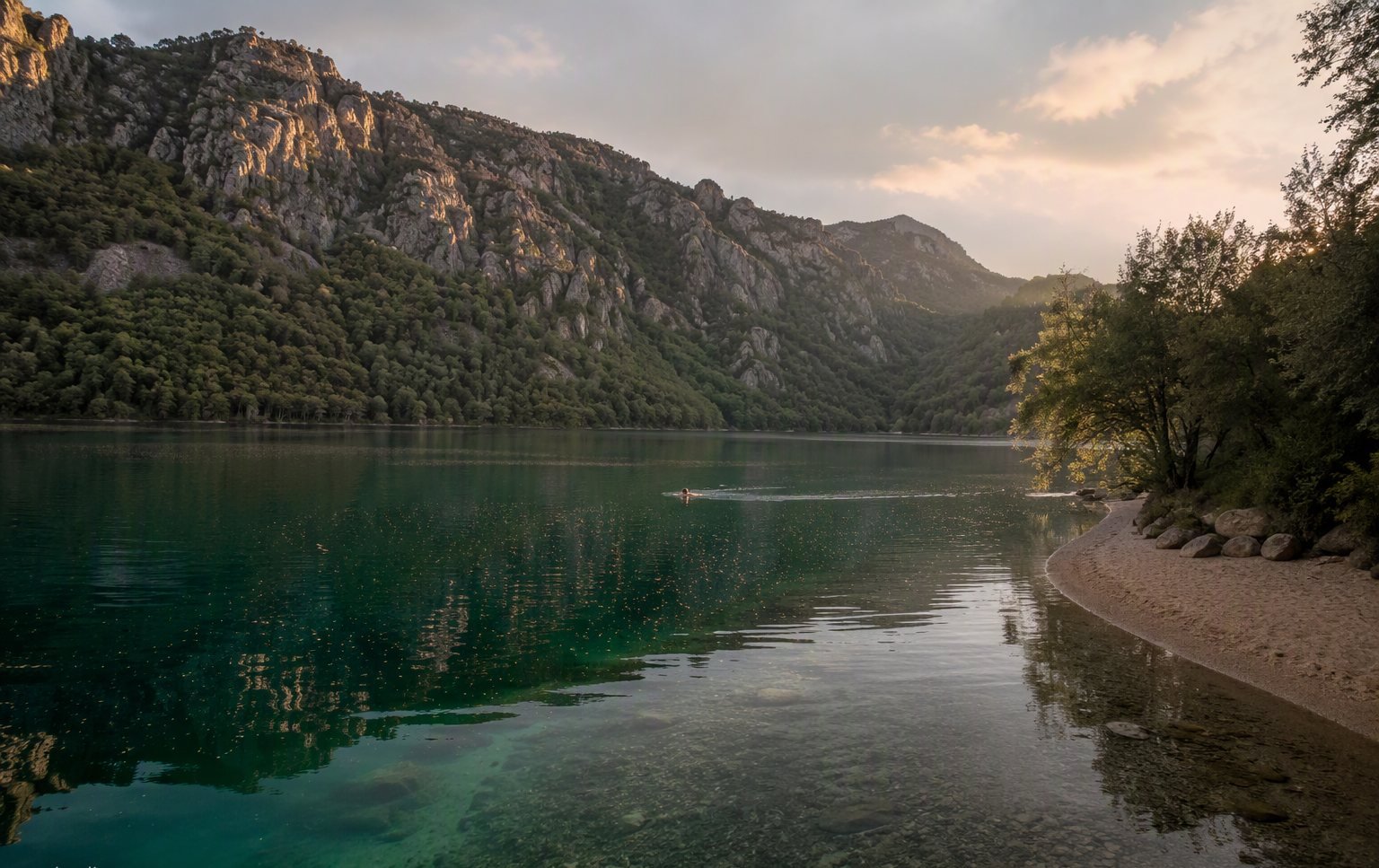
A rental car in Zamora city is a liability: the old town's medieval streets weren't drawn for vehicles, and parking in the historic centre is genuinely difficult — narrow lanes, resident zones, and visitors steering towards the municipal car parks on the edge of the old town instead. But the province is a different story. Toro's wineries, Sanabria's lake, the Arribes canyon and wolf country all sit 30–60 minutes away on quiet roads with little public transport. The smart pattern: stay car-free in the city, hire a car for the one or two province days.
Day by day: do you need the car?
| Romanesque old town day | No — walk. A car is pure hassle here. |
| Cathedral, castle, tapas, sunset | No — all within 20 min on foot. |
| Toro wine country (30 min) | Yes — or book a winery that arranges pick-up. |
| Sanabria lake + Puebla de Sanabria (~1 h) | Yes — no practical alternative. |
| Arribes del Duero canyon (~50 min) | Yes — boats and miradores are spread out. |
| Wolf country (Sierra de la Culebra) | Yes — combine with Sanabria. |
| Departure day | No — walk or taxi, 15 min to the station. |
If you do bring a car: don't aim for your hotel's door in the old town — aim for the municipal car parks on the edge of the historic centre (the city deliberately prices street parking to keep visitors' cars out), then walk the last few minutes. Your hotel will tell you the nearest one; ask when you book.
Full route details for each excursion: Toro → · Sanabria → · Arribes del Duero → · Wild Zamora →
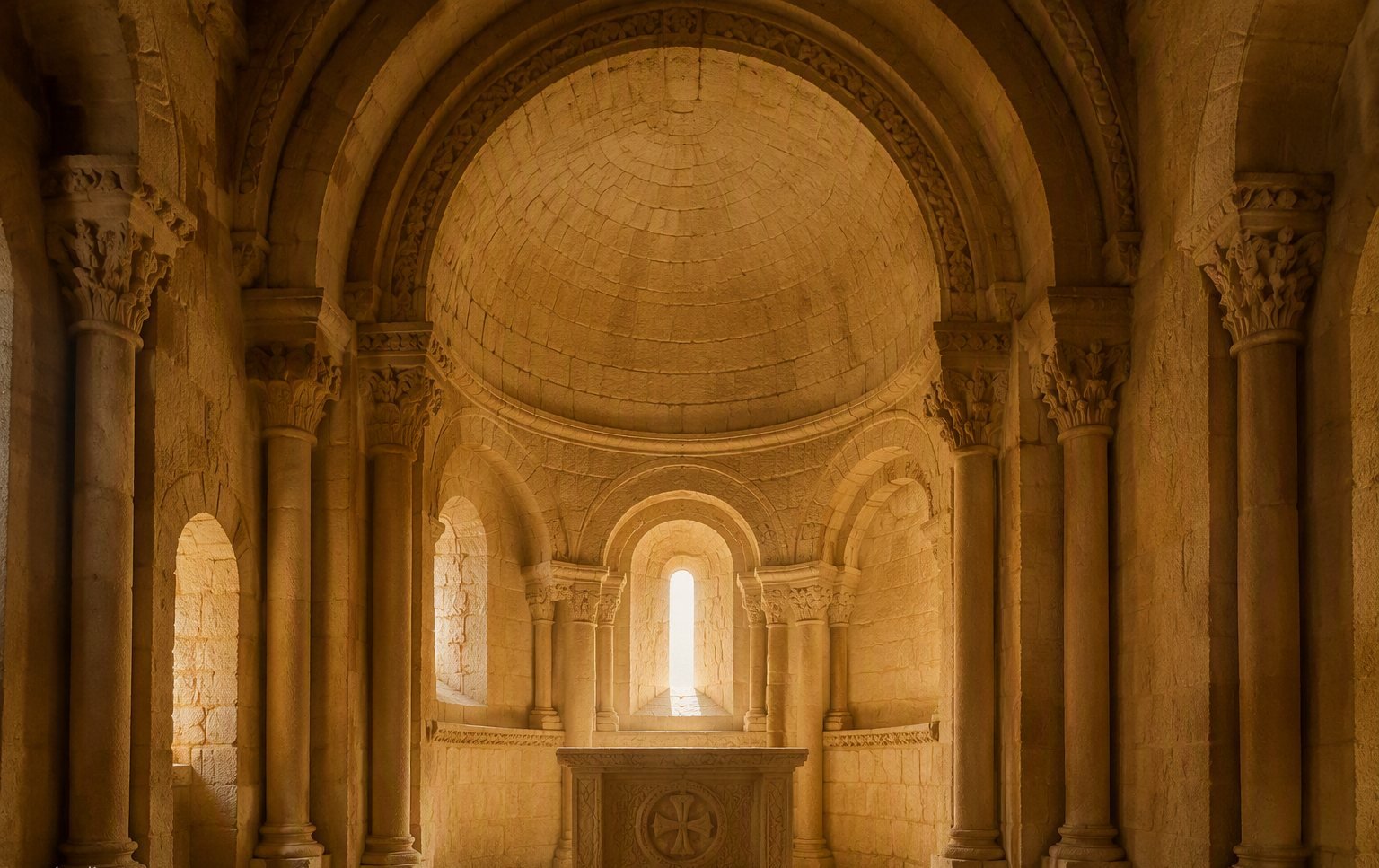
The old town at strolling speed — the only transport schedule you need is sunset.